Walk, Observe, Make: A Local Adventure in Photos and Sketches
Step outside for Creative Recharge Walks: Photography and Sketching Prompts on Local Routes, where nearby streets, parks, and corners become catalysts for fresh ideas. With light backpacks, focused exercises, and playful constraints, we’ll transform ordinary errands into mindful studios, warming up attention, loosening perfectionism, and building small bodies of work that renew momentum between larger projects. Lace up, pocket a pencil or phone camera, and let curiosity set our gentle neighborhood pace.
Pack Light, See More
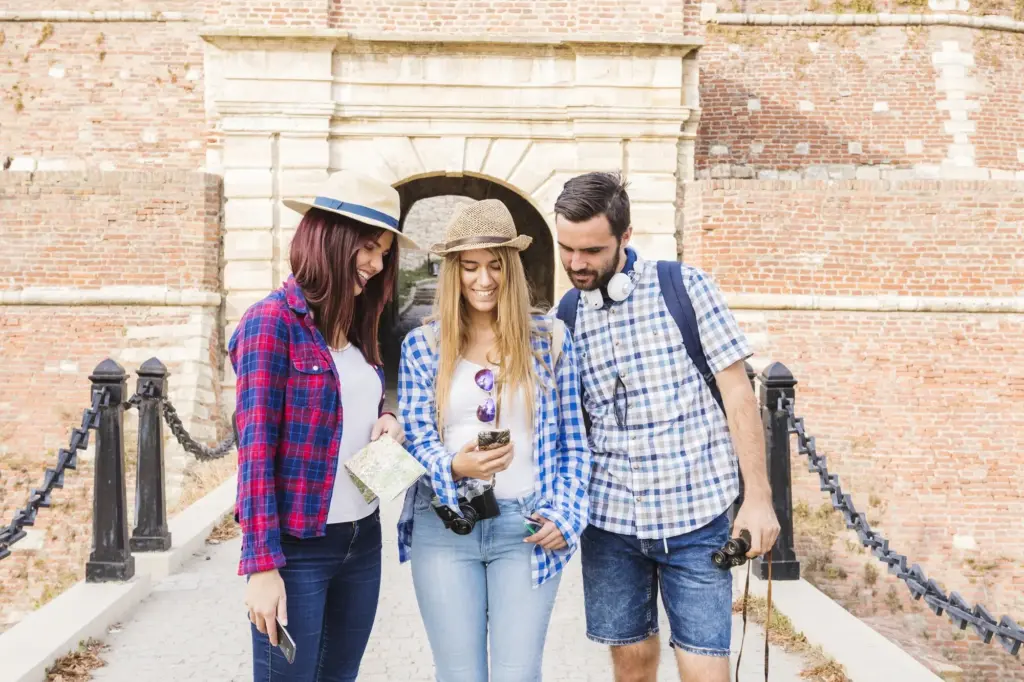
Carrying less invites you to notice more, move farther, and stay longer with each subject you meet. A slim phone, a pocketable camera, a tiny sketchbook, and a favorite pencil open possibilities without weighing down your pace. Minimal gear reduces decision fatigue, keeps hands free, and helps you respond intuitively when a fleeting highlight, shadow, or gesture appears just ahead.
Pocket Camera Confidence
Treat your phone or a compact camera as a trusted companion, always ready for quick light studies, reflections in shop windows, or layered silhouettes at crossings. By embracing its limits—fixed lens, modest sensor—you’ll lean into composition, timing, and proximity. Keep it accessible, disable distracting notifications, and use burst mode sparingly to stay present while still catching that decisive, surprising glimmer of the everyday.
A Sketchbook That Opens Doors
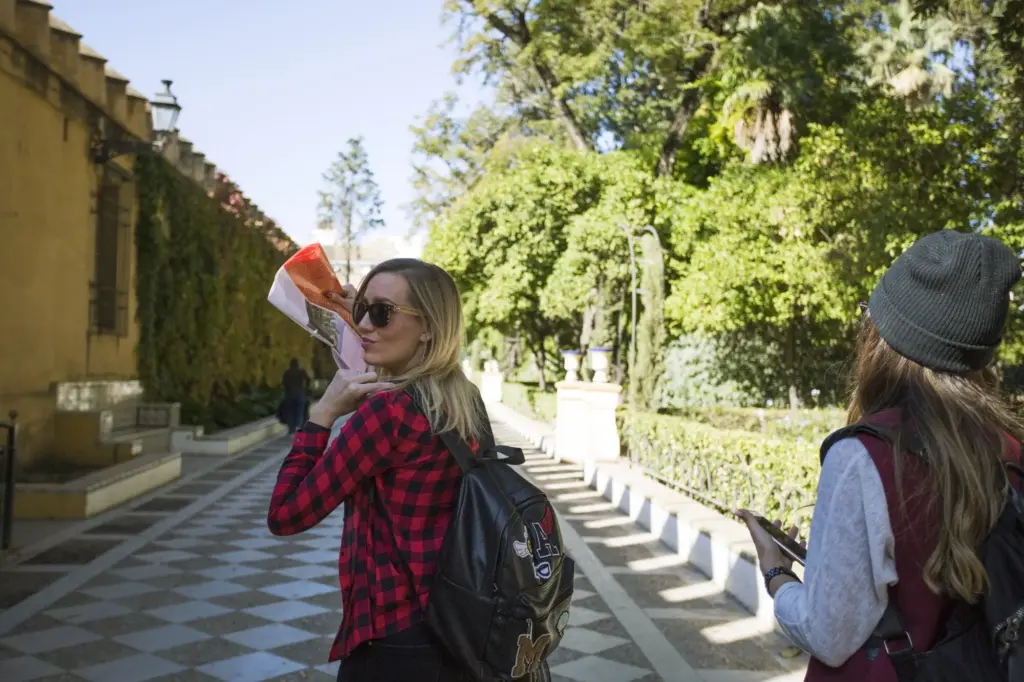
A small sketchbook signals friendly intent and invites conversations, from a baker asking what you’re drawing to a passerby sharing a childhood memory of the same corner. Choose paper that loves both graphite and a light wash. Tape a simple prompt list inside the back cover, and let quick thumbnails, blind contours, and shadow maps warm up your hand before longer observational studies.

Comfort First, Creativity Follows
Comfort amplifies attention. Wear shoes that welcome extra blocks, pack a light layer, and carry a collapsible seat if pausing eases sketch flow. A tiny water bottle and a pocket snack quiet distractions. When your body feels supported, you’ll stay longer with a subject, notice subtler transitions in light, and allow thoughtful series to emerge naturally from unhurried observation.
Design Routes That Invite Serendipity
{{SECTION_SUBTITLE}}

The Five-Block Loop Ritual
Map a loop you can finish in fifteen minutes, then stretch it when curiosity calls. Commit to photographing one recurring motif per lap—door handles, tree shadows, curbside patterns—and sketch a single scene from two angles. Repeating the loop at different times of day reveals how light redrafts familiar spaces, turning small variations into surprisingly coherent mini-series across your week.
Transit-Linked Mini-Quests
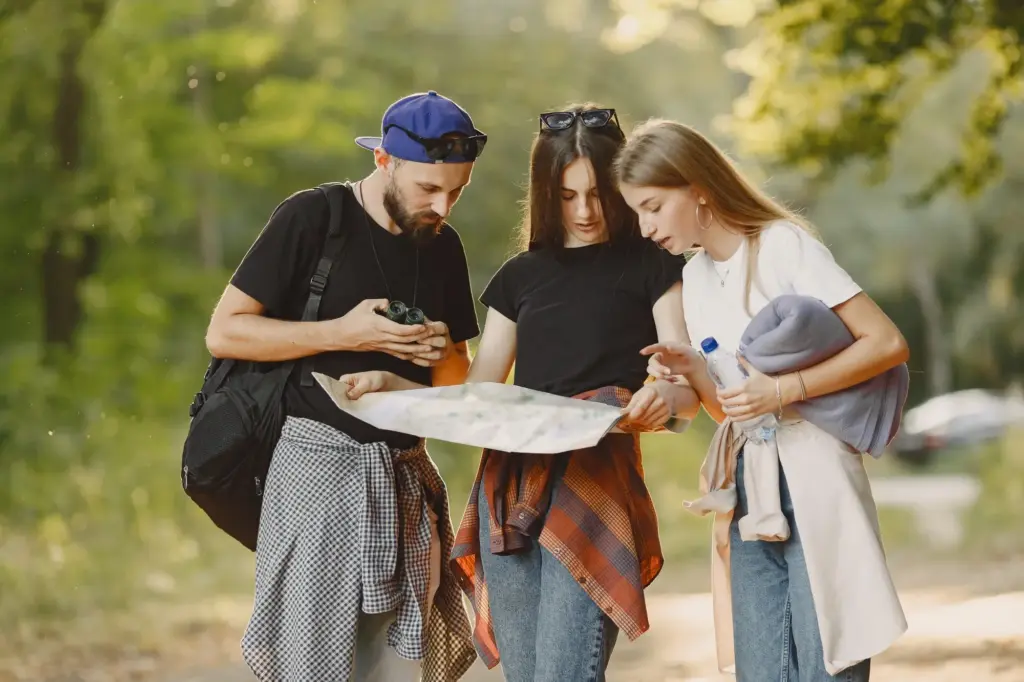
Use everyday errands as creative anchors: one prompt from the bus stop to the bakery, another from the grocer to your return line. When lateness tempts shortcuts, reward yourself with a fast contour drawing at the finish. A missed connection once gave me golden hour on a side street, where a leaning bicycle and blue shadow yielded a favorite two-frame story.
Prompts That Switch On Curiosity
Prompts turn wandering into focused play. Use constraints to filter noise and spotlight possibility: chase a single color, follow shadows as if they were arrows, or sketch only shapes that repeat three times. Alternating photographic and drawing prompts keeps both eyes and hands nimble, helping your attention leap from surface detail to structure and right back to texture again.
Light Hunts and Shadow Trails
Pick a direction based on the sun, then pursue highlights that strike metal rails, windows, or leaves. Photograph only reflected light for ten minutes, ignoring direct beams. Switch to sketching soft shadows on textured walls, noting edges that fade or sharpen. This pairing trains you to see luminous gradients, rhythms, and micro-contrasts that quietly orchestrate the scene’s mood.
Texture Taxonomy Challenge
Collect five textures in sequence—peeling paint, brushed brick, dappled asphalt, knit bark, rain-beaded plastic. Frame each with similar proportions to build a coherent set. Then, sketch a composite swatch page that blends them into a new imaginary surface. Noticing material transitions teaches patience, while the composite sketch reveals how humble fragments combine into cohesive visual stories.
Turn Weather Into a Collaborator
Conditions rarely align perfectly, yet each forecast offers unique gifts. Rain lays out impromptu mirrors, fog softens clutter into tone, wind sculpts gestures in trees and clothing. Prepare simple adaptations—lens cloth, hood, pencil over pen, clipboard under sketchbook—and let the day’s character co-author your images and drawings rather than forcing a plan that resists the atmosphere.
The First Ten Minutes Reset

Begin with a quiet warm-up: notice three sounds, three temperatures, three textures underfoot. Photograph anything that answers those sensations, even if it feels ordinary. Then, sketch a thumbnail map marking where attention brightened. This ritual steadies nerves, reduces self-judgment, and primes the brain’s associative networks, opening space for playful risks that frequently unlock your day’s most promising direction.
Micro-Constraints, Macro Flow
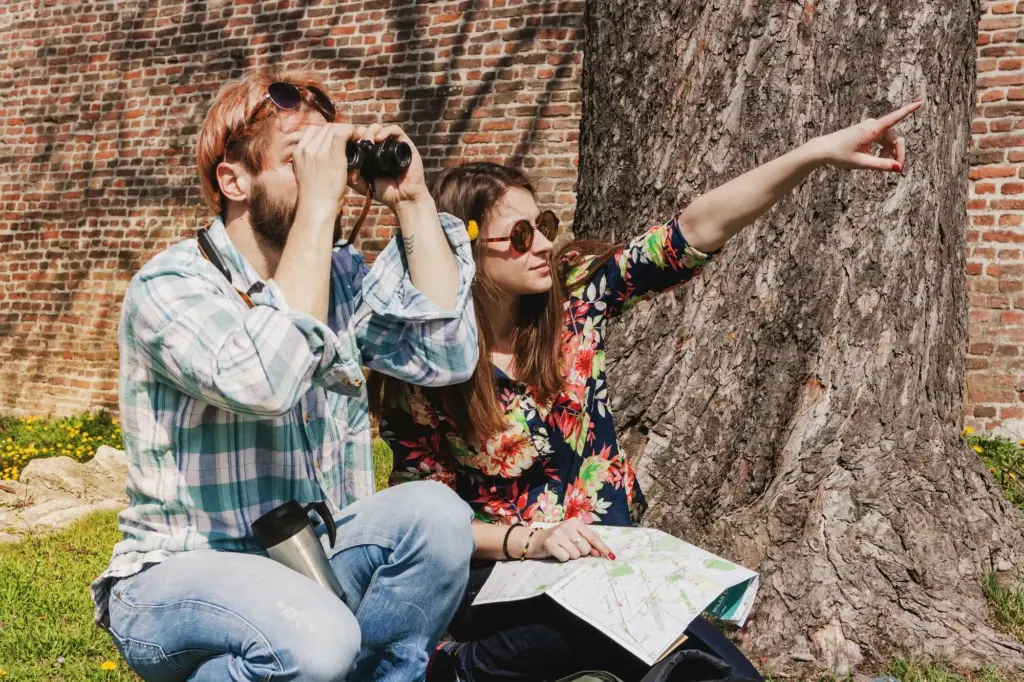
Select a tiny rule—only diagonals, only blues, only backlit leaves—and keep it for one block. Such limits cut cognitive load and heighten flow by clarifying targets. When the block ends, drop the rule and free-shoot or free-sketch for contrast. This alternation between constraint and release keeps curiosity alert while rewarding you with small, cohesive micro-collections to refine later.
Reflective Closure
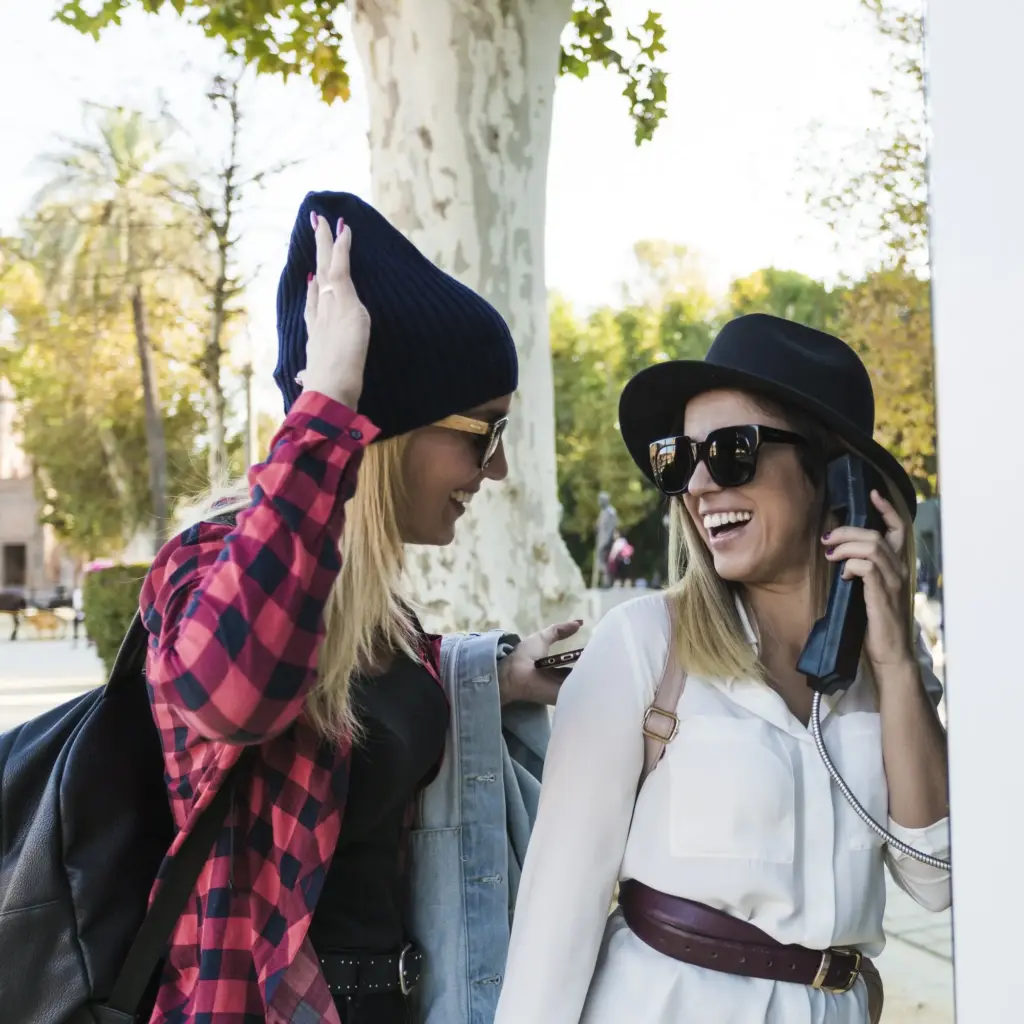
End the walk by choosing three images and one sketch to annotate. Write a single sentence about what worked, one about surprise, and one gentle intention for tomorrow. This quick review consolidates learning, spotlights emerging motifs, and protects momentum. Over weeks, these notes form a compass, guiding bigger projects born from humble, repeatable steps taken close to home.
Before–During–After Frames
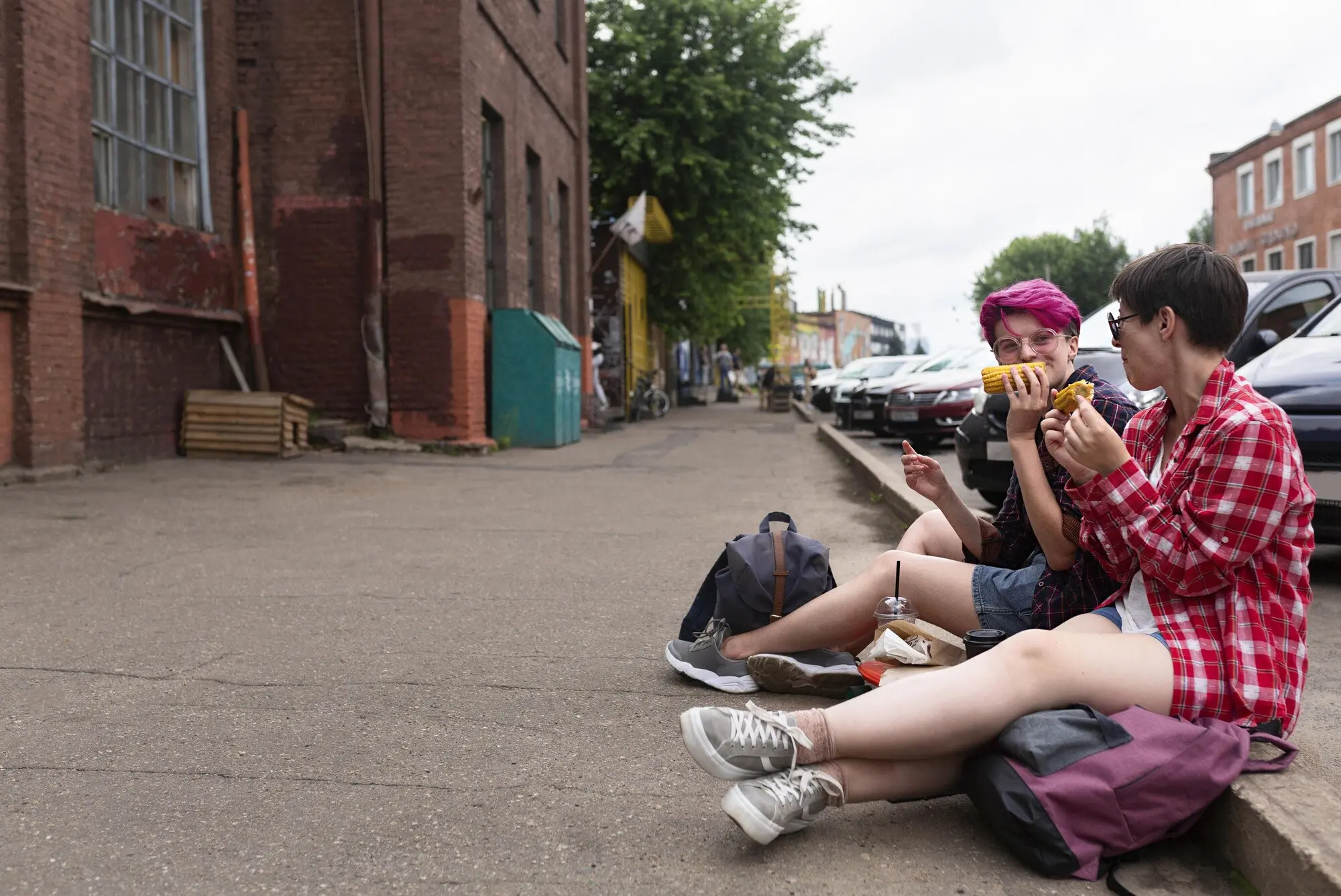
Choose a subject—a coffee cup in window light, a painted curb, a cyclist coasting—and craft three stages. Photograph context, then the close encounter, then the echo it leaves. Sketch one supportive detail, like steam patterns or tire marks. This simple arc teaches pacing, deepens observation, and yields satisfying stories that feel complete even when created in mere minutes.
Color as a Narrative Thread
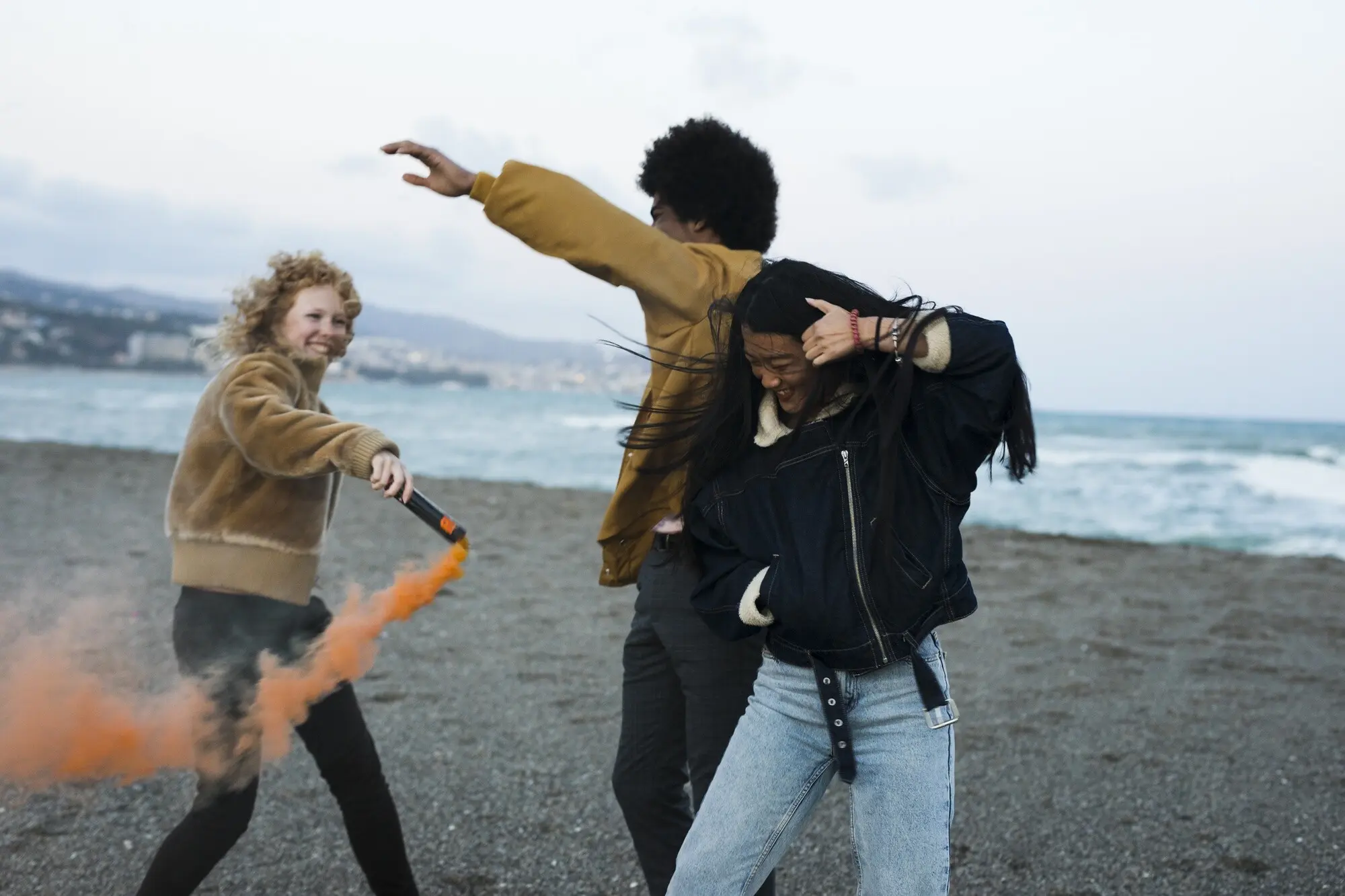
Pick a guiding hue—mustard, teal, vermilion—and hunt subtle variations. A mailbox, scarf, and traffic post can become a chromatic trio. Translate one scene into a monochrome sketch to heighten value structure. By letting color lead, you’ll discover connective tissue between unrelated moments, revealing how a neighborhood hums through repeating notes that anchor your evolving collection.
Sketch Notes That Anchor Memory
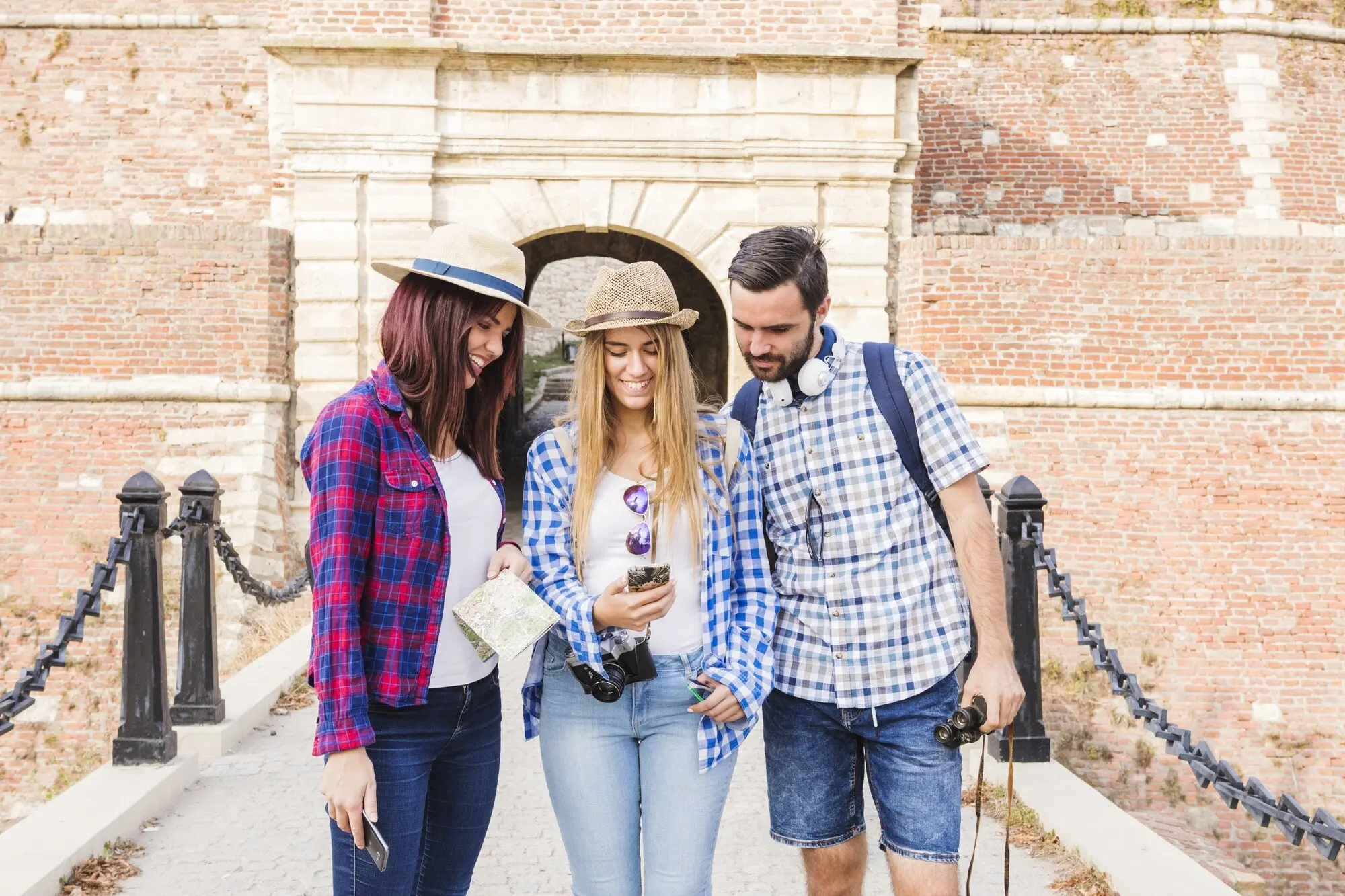
Next to each chosen photo, add a tiny plan drawing showing light direction and major shapes. Note the time, weather, and a single sensory detail, like cinnamon on the air or brakes squealing. These notations accelerate future revisits, strengthen visual recall, and gift your projects with humble, precise context that viewers intuitively feel even when they never read the captions.
Share the Walk, Grow the Practice
Creativity compounds through gentle community. Trade prompts with a friend, schedule a weekly loop, or post a small set each Friday with honest captions about process, misses, and tiny wins. Invite replies, swap routes, and celebrate consistent effort over perfection. Sharing sustains momentum, draws new eyes to local wonders, and makes returning to the sidewalk feel like coming home.